

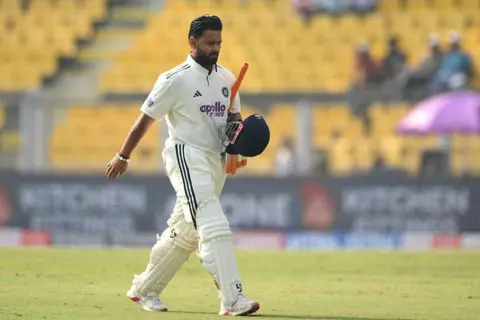
The Indian cricket team's shocking 0-2 defeat to the Proteas in the recently concluded Test series has left the team reeling.
In the final match, South Africa gave India their heaviest Test defeat by runs, contrary to predictions. It was the Proteas' initial series triumph in India in 25 years and the host nation's second home series loss in just one year after a 12-year invincible streak.
The momentum built over the previous half-year has almost disappeared and the prospects of multiple squad members - including team coach the coach - are under scrutiny.
Initial Hope Fades Quickly
The young team's strong showing in England this season, under a fresh leadership, pointed to a successful handover post the close together departures of veterans R Ashwin, Rohit Sharma, and Virat Kohli.
An easy 2-0 win over the Windies at the commencement of the domestic season strengthened that view, until the Proteas arrived to deliver a devastating defeat.
The home side were a bit unlucky that skipper Shubman Gill was injured early on in the first Test and did not participate again in the contest. However, that neither explains nor absolves the side of the well below standard display in both Tests against the opposition.
Several established players took a hit, and multiple individuals eyeing extended tenures in Tests were shown as still inadequate - in skill or mindset - for the format.
A Troubling Pattern
This represented the second whitewash on home soil suffered by India in just over a year. Last year, little-fancied New Zealand had secured a staggering 3-0 triumph which essentially denied the hosts a spot in the World Test Championship (WTC) final.
The fresh failure to the Proteas threatens to derail India's prospects of qualifying for the decider of this cycle too.
After being third in the Test championship standings before the series, India have been relegated to the fifth spot. Although nine more Tests are yet to be played, half of these are against the Aussies. Typically, performing in familiar conditions would be a huge advantage - even against the strong Australian side. Yet the debacles against New Zealand and South Africa leave little scope for such comfort.
Causes of the Fall
The national team's frailty in red-ball cricket has been clearly revealed. That said, why India have performed so poorly in Test matches at home recently is continues to confuse.
Since the turn of the century, the Indian cricket team were considered invincible in red-ball cricket in home conditions. In demanding climates and on tracks that helped spin and suited their batsmen and bowlers, India brooked no opposition. The occasional loss, such as in 2012-13 against the English, was considered an anomaly.
Currently, the team seem beatable in their own backyard.
Against the Kiwis in last year and South Africa currently, the home side were defeated by their own tactics. The tracks they curated to help their style backfired spectacularly, as opponents used them more effectively, outplaying the Indian batters and bowlers when it counted the most.
What's Gone Wrong?
A few experts argue that India is struggling at home because local wickets have been altered from spinning tracks to pace-friendly pitches to get cricketers ready to do well overseas.
A few mention that the Indian Premier League (IPL), in which many overseas players play, has reduced the mystery and hardship Indian conditions would pose to them earlier.
Although there is validity in both analyses, it still does not explain why the side's results on home soil have seen such a dramatic drop.

Various Shortcomings
Most former players identify a multi-faceted challenge, not just a few causes.
Experts and participants have pointed to several failings after the team's disappointing performance to the South Africans: not respecting the foe, inadequate readiness, poor choices, excessive self-belief, regular alterations of the team lineup, and favoring white-ball over Test cricket.
This was obvious in the showings of the squad.
Players such as Pant and Jaiswal, of whom great things were anticipated, suffered for their nonchalance, while Sai Sudarshan, Reddy, and Jurel - who were hoping to secure their spot in the side - came up short in skill and mindset, paying a heavy price for their casual attitude.
Only a handful - Jadeja, Jasprit Bumrah, Kuldeep, Mohammed Siraj and Washington Sundar - lived up to their ability and standing - but not sufficiently to win matches.
Leadership Under Fire
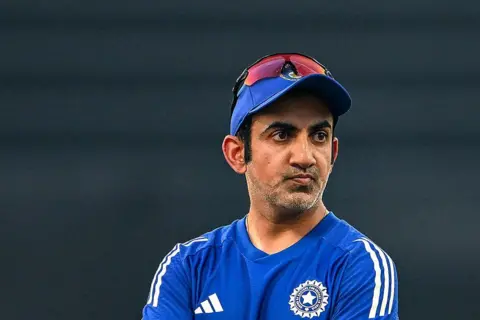
The post-mortem also included just the players - the selection panel and coaching staff were also criticized, driven by disappointed supporters and outspoken ex-cricketers. Under focus of the examination was mentor Gautam Gambhir.
During his post-series press

